
Let’s set the scene for our education in Italian Easter dishes. You’ve chosen Italy to celebrate Easter, the Tuscan sun shines upon you, spring is springing in the wilderness of the Maremma region and you’re hungry!
Here we say hai fame, you have hunger, as though it were something you must immediately rid yourself of like the common cold because you should never be hungry here. Luckily in Italy, you’ll find some of the best food you’ve ever eaten and especially at Easter. We even have a special Easter pie that has many variations from sweet to savoury, and some people have been known to consume it with their chocolate egg.
There are hundreds of classic Italian recipes that are famous the world over, too many to mention all of them so we’ll focus on our own unique region of Tuscany called Maremma. A region that has its own distinctive dishes and Tuscan Easter menu.
Let’s dig in, shall we!
In this article
Tuscan Easter Menu
At Easter time the dishes are so diverse from region to region but, as with all food in Italy, it will be flavoured simply with the seasonal ingredients of spring left to shine.
Traditionally at Easter there is an abundance of eggs, historically symbolic of renewal, nature and in religious terms signifying rebirth. The egg is the most important ingredient in the recipes made for the Easter Sunday lunch. Italians will even take their eggs to mass on the Saturday before the big day to have them blessed.

Every item on the table will be enriched with eggs in some way, and the main meat will always be lamb, even if the preparations and flavours vary. So what will you find on an Italian Easter table, let’s take a look at a typical menu. Warning: you’ll need snacks while you read this
L’antipasto, the delicious beginning to your Italian Easter Table
For your antipasto, which is the plate usually served before the pasta dish is Crostini coi fegatini, a classic tuscan plate of chicken liver pate.
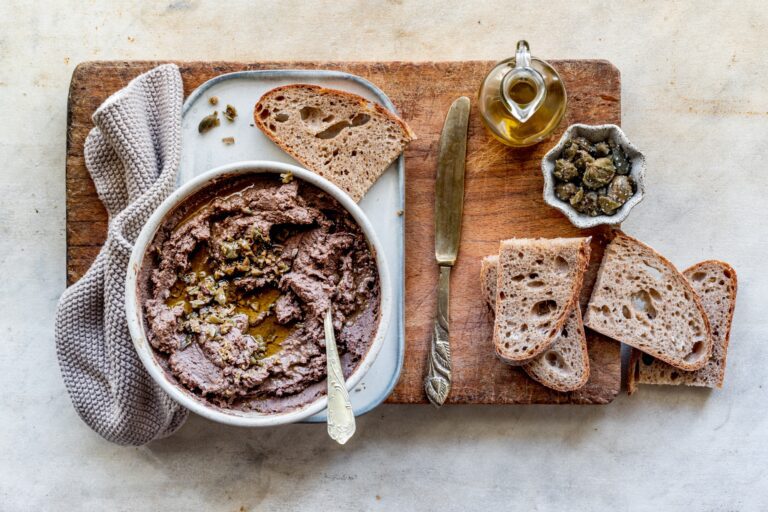
This soft buttery pate is set atop crusty (croccante) Tuscan bread, which is made without salt which allows the flavours of the luxurious toppings to stand out. You may also be offered a continental selection of sliced meats from Capocollo to Finocchiona which is a Tuscan speciality that is flavoured with fennel seeds and minced pork.
Primo Piatto, no Italian lunch is complete without Pasta!
For your primo piatto, or first plate, on a traditional tuscan Easter menu, you will always be greeted with a warm and inviting plate of pasta.
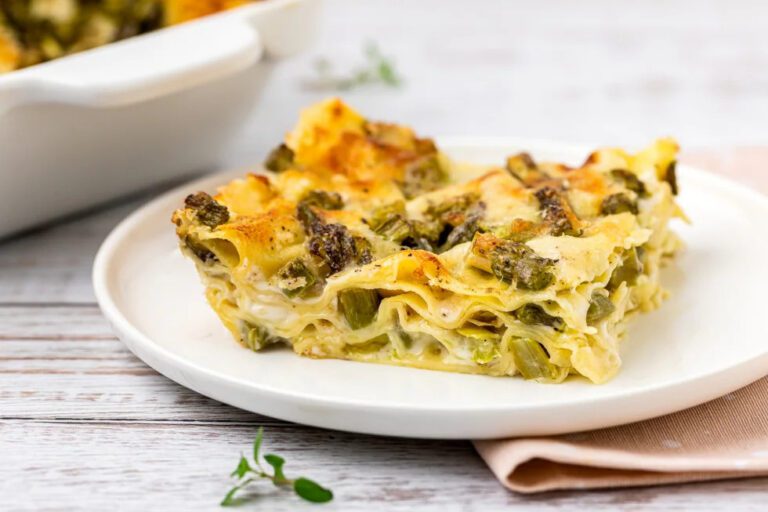
On this occasion it will be fresh pasta made with lots of eggs of course. Think lasagne or tagliatelle for the starter but here in Maremma we also have the famous Tortelli Maremmani filled with ricotta and spinach topped simply with butter and sage or a saucy, hearty ragu.
Secondo Piatto, a meaty dish that’s the star of every Easter Table
Traditionally, the secondo piatto, or second plate, is always meat at any time of year, which is usually a type of lamb dish at Easter time.
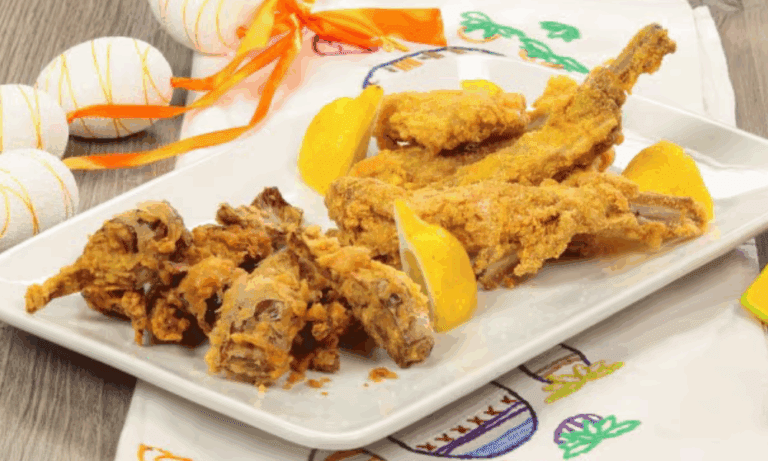
In Maremma, as visit Tuscany mentions, we use the lamb to make a rich stew which showcases the unmistakable tastes from the Maremma. The stew is called buligone d’agnello and blends strong flavours of white wine, tomatoes, herbs and garlic into a broth-like dish that is served with warm toasted bread. One not to be missed during your visit. There is nothing quite like it. Another dish often seen on a Tuscan Easter table is fried lamb chops, which are crispy and usually dainty in size.
Seasonal Vegetables that steal the show
You’ll also notice locals out foraging for wild asparagus during springtime, as it grows in the Maremma hills.
Nestled along the hillside paths, this fresh vegetable makes a simple and elegant side dish to the lamb. When opting for local and seasonal it doesn’t get fresher than hand-picked wild vegetables on the table. Drizzle with extra virgin olive oil and top with salt and pepper. It’s an excellent dish to enjoy the next day for your Pasquetta lunch outdoors too, perhaps served in a frittata.
Italian Easter Pie
There are many variations on the Easter pie and it is called many things.
Some places in Italy have a meat based Italian Easter pie, filled with creamy ricotta and a thick crust, also named Piazza Rustica for this reason.
A firm favourite throughout the country it’s definitely one to try but here in Maremma we have instead the Easter Schiaccia or Schiaccia di Pasqua. Although the origins of the dish are unclear, the name schiaccia roughly translates in English to mean squished. Although it’s usually a sweet bread or cake, in some regions it’s blended with ricotta in the dough for a light and fluffy texture. In the ancient Etruscan village of Vetulonia try their salty adaptation of this Easter dish too.

You’ll know immediately if the version you’re sampling is from Maremma, as it’s fragranced with the classic Tuscan scent of aniseed. This particular dish is enjoyed as a sweet breakfast for Maremmani people and could also be eaten alongside your chocolate easter egg for an extra treat! Try a wedge dipped into a small glass of Vin Santo too, a liqueur that no Italian holiday would be complete without.
After you’ve savoured every crumb of this delightful, distinctly Maremma Easter meal, you’ll undoubtedly be rid of your fame and be hungry no more. That is until Easter Monday of course when we dine out on the leftovers. There truly is no better time to visit the New Tuscany.
See you at the table!